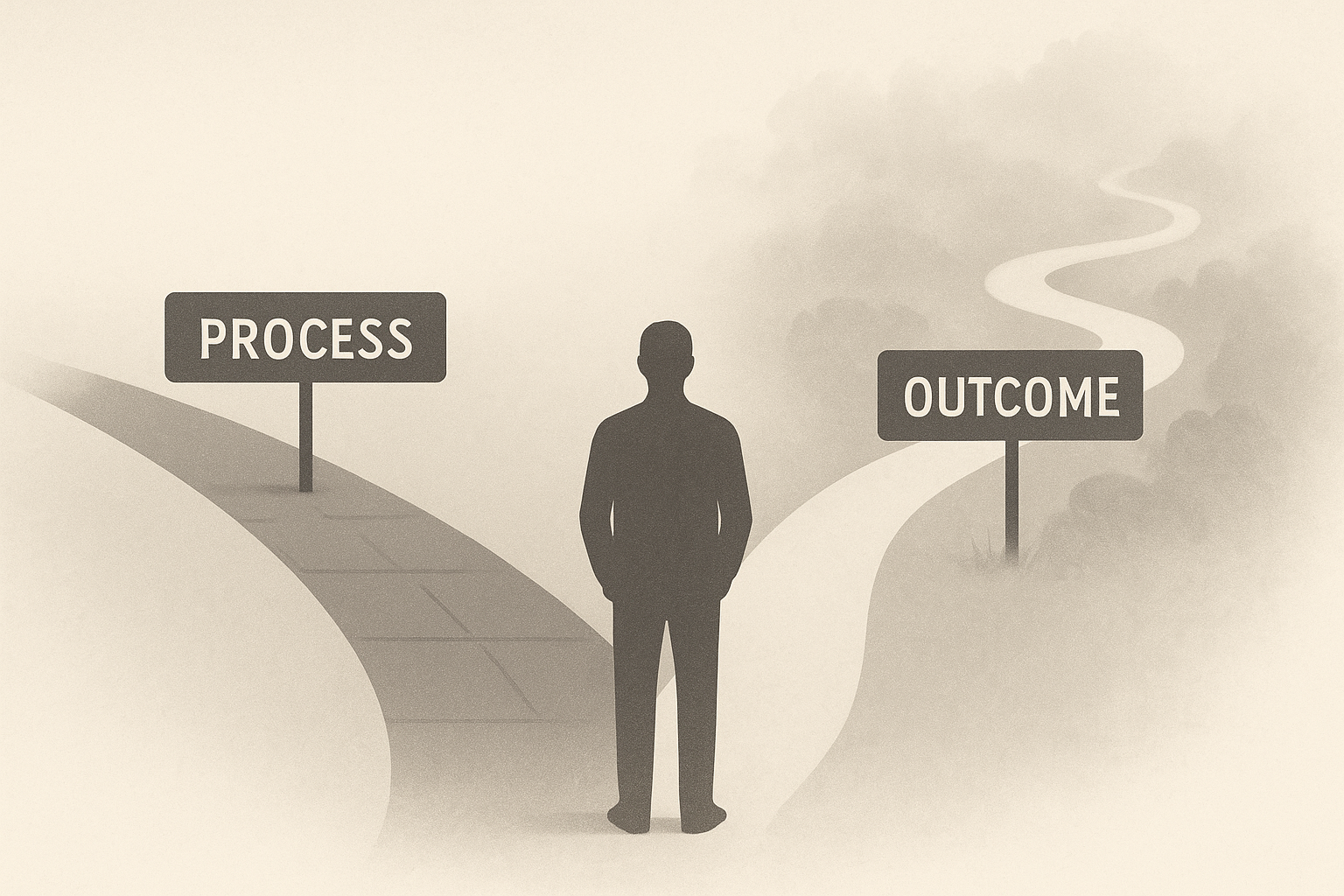

Most investors believe that building wealth requires making lots of smart investment decisions.
But what if the biggest contributor to your returns was the decisions you didn't make?
There's a famous story often attributed to Fidelity Investments. While reviewing old client accounts, employees reportedly found that some of the best-performing portfolios belonged to two groups of people:
- Those who had forgotten they owned the account.
- Those who had passed away.
Whether the story is perfectly accurate is beside the point. It captures a truth that many investors learn the hard way: wealth is often created not by constant action, but by staying invested long enough for compounding to do its work.
And that's easier said than done.
Most investors don't sell because they suddenly become pessimistic. They sell because life gets in the way. A medical emergency, a job loss, or an unexpected expense forces them to tap into their investments at the worst possible time.
That's why the foundation of successful investing isn't picking the right fund. It's creating the financial stability that allows you to leave your investments alone.
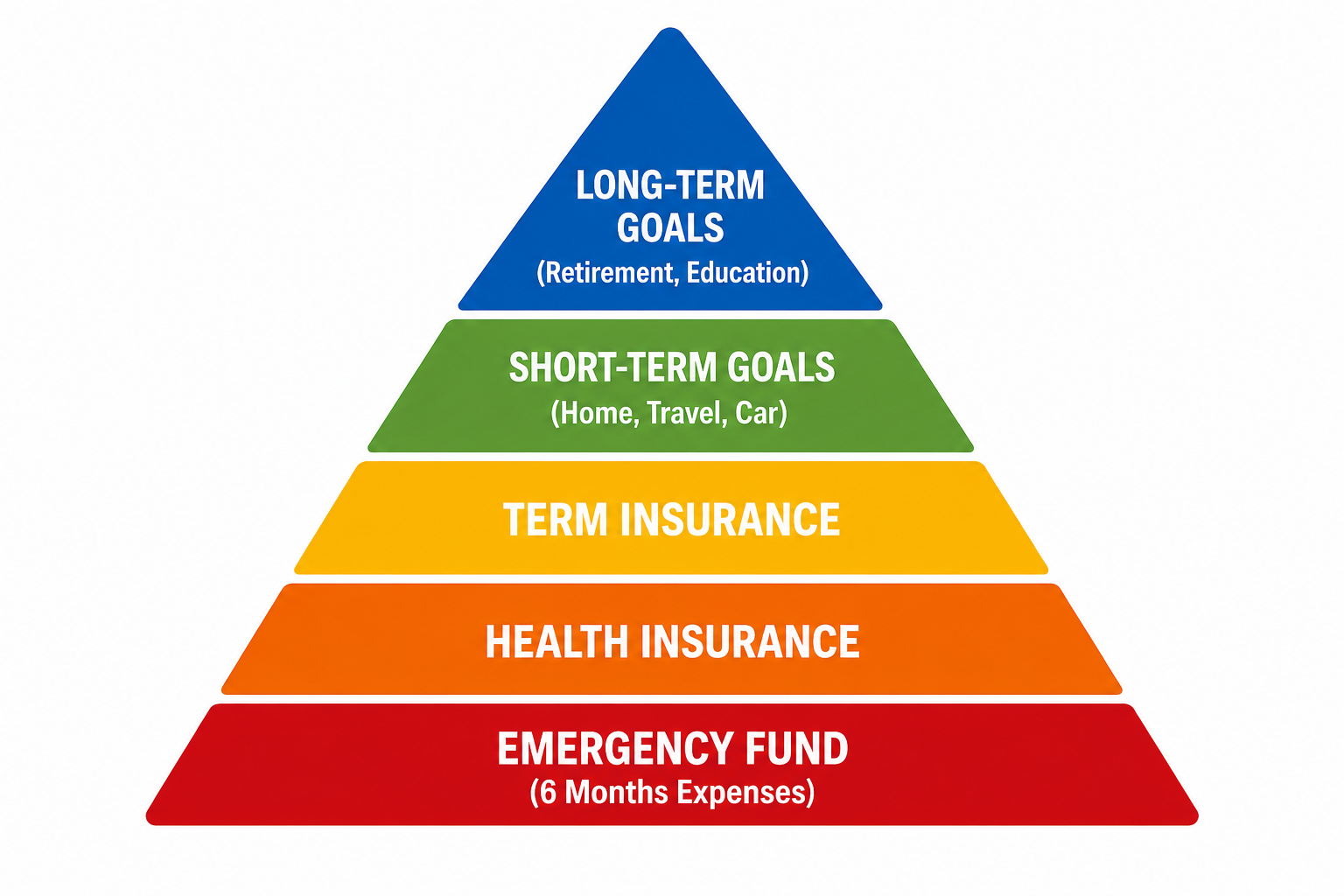
1 Build an emergency fund
Before you think about investing, set aside at least six months' worth of household expenses in an easily accessible emergency fund.
This money isn't meant to generate returns. Its job is to protect the rest of your portfolio when life throws you a curveball.
2 Get term insurance
A term insurance plan provides substantial life cover at a relatively low cost.
Many investors are still drawn to products that mix insurance and investing. In most cases, keeping the two separate works better. Buy insurance for protection and invest for wealth creation.
3 Have your own health insurance
Even if your employer provides health coverage, consider maintaining a separate health insurance policy.
Employer-sponsored coverage disappears when the job does. A personal policy ensures that a medical emergency doesn't force you to liquidate your investments when you can least afford to.
The biggest challenge in investing isn't finding great opportunities. It's staying invested long enough to benefit from them.
An emergency fund, term insurance, and health insurance may not feel like investment decisions. But they help create something every successful investor needs: the ability to ignore short-term noise.
Once your financial foundation is secure, you're less likely to react to every market fall or rally. And that's often when compounding does its best work.
A good portfolio isn't one that demands constant attention. It's one that continues growing while you focus on living your life.